

The DIY Instinct That Backfires
When your home floods, your first instinct is to start cleaning up as fast as possible. You grab towels, set up fans, maybe rent a wet vac from the hardware store. You work hard for days, and eventually, everything looks dry.
But here's the problem: what you can see is only part of the story.
DIY flood cleanup often leaves hidden moisture behind—moisture that leads to mold growth, structural damage, and repair bills far exceeding what professional water damage restoration would have cost.
The Hidden Problem with DIY Flood Cleanup
Water Goes Where You Can't See
When water enters your home, it doesn't just sit on the surface. It follows the path of least resistance, seeping into:
- Wall cavities and insulation
- Subfloor materials beneath tile, hardwood, and carpet
- Baseboards and door frames
- Ceiling materials (especially in multi-story homes)
- Concrete slabs and crawl spaces
Standard fans and dehumidifiers can't reach these hidden areas. Without professional-grade equipment and moisture detection, water remains trapped—creating long-term problems.
What Happens When Hidden Moisture Is Left Behind
1. Mold Growth Begins Within 24–48 Hours
Mold doesn't need much to thrive: moisture, warmth, and organic material (like drywall or wood). Once it starts growing inside walls or under floors, it spreads quickly and becomes a health hazard.
Signs of hidden mold:
- Persistent musty smell
- Allergy symptoms that worsen indoors
- Discoloration appearing weeks after the flood
- Peeling paint or warped surfaces
The cost: Mold remediation for hidden mold can run anywhere from $1,500 to $10,000+ depending on the extent of the problem.
2. Structural Damage Worsens Over Time
Wood framing, floor joists, and subfloor materials weaken when exposed to prolonged moisture. What starts as minor water damage can progress to:
- Rotting wood structures
- Warped or buckling floors
- Compromised load-bearing elements
- Foundation cracks from soil saturation
The cost: Structural repairs can cost $10,000 to $30,000 or more if damage goes undetected for months.
3. Secondary Water Damage Appears Later
Weeks or months after a flood, homeowners often notice "new" problems that trace back to incomplete drying:
- Hardwood floors cupping or gapping
- Carpet and padding developing odors
- Drywall crumbling or sagging
- Metal components rusting
- Electrical problems from corroded wiring
By this point, insurance claims may be harder to file and repairs more complicated.
Why Professional Equipment Makes the Difference
Professional water damage restoration companies use specialized tools that simply aren't available to homeowners.
Moisture Detection Technology
- Infrared cameras – Detect temperature differences that reveal hidden moisture behind walls
- Moisture meters – Measure water content in building materials
- Hygrometers – Monitor humidity levels throughout the drying process
Without these tools, you're essentially guessing whether your home is actually dry.
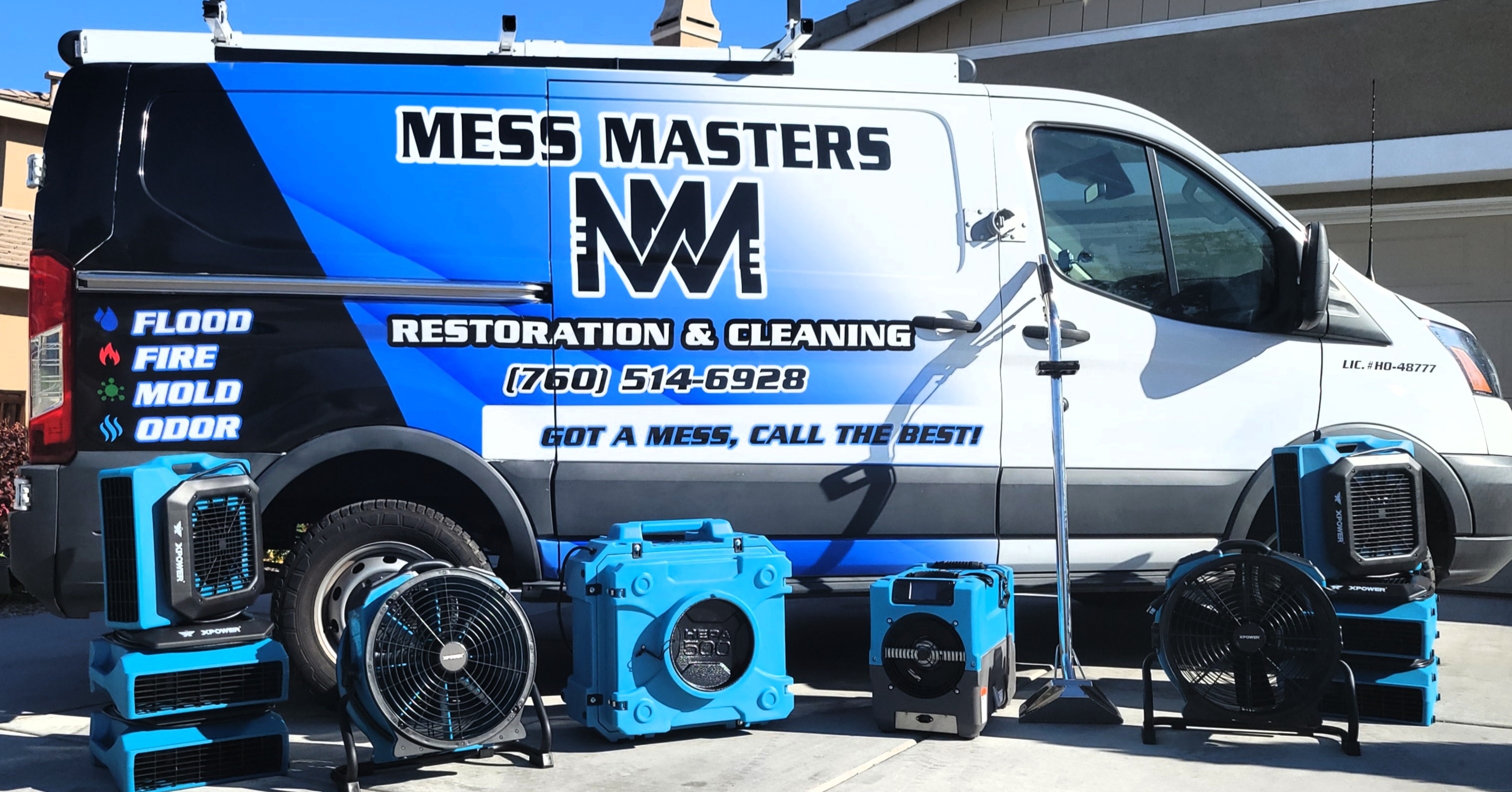
Industrial-Grade Drying Equipment
- Commercial air movers – Create high-velocity airflow to accelerate evaporation
- Professional dehumidifiers – Remove far more moisture than consumer models
- Injectidry systems – Force air into wall cavities and under floors
- Desiccant dehumidifiers – Handle large-scale water damage and crawl spaces
Consumer-grade fans and dehumidifiers simply can't match this drying power.
When DIY Cleanup Might Be Enough
To be fair, not every water situation requires professional help. You may be able to handle cleanup yourself if:
- The water is from a clean source (like a supply line)
- Only a small area is affected (less than a single room)
- Water was cleaned up within 24 hours
- No water reached wall cavities, subfloors, or insulation
- You have access to moisture meters to verify dryness
When in doubt, a professional moisture inspection can confirm whether your cleanup efforts were sufficient.
What to Do After a Flood
If your home floods, follow these steps to minimize damage:
- Ensure safety first – Turn off electricity if water is near outlets or electrical panels
- Stop the water source – Shut off the main water supply if it's a plumbing issue
- Document everything – Take photos and videos for insurance claims before cleanup begins
- Contact your insurance company – Report the damage promptly
- Call a water damage restoration professional – The sooner they arrive, the more they can save
The Smartest Move You Can Make
DIY flood cleanup might seem like a money-saver, but the hidden costs often tell a different story. Trapped moisture leads to mold, structural damage, and repairs that cost thousands more than professional restoration would have.
When your home floods, protect your investment. Call a water damage restoration professional who can dry your home properly—not just visibly, but completely.
Experienced flooding in your home? Contact us for emergency water damage restoration before hidden problems begin.
.png)
.png)
.png)
Call Us 24/7 for Help
.png)