
.png)
The Clock Starts Ticking After the Flames Go Out
Experiencing a fire in your home is overwhelming. Once the flames are out and the fire department leaves, you're left facing smoke-filled rooms, water damage from firefighting, and uncertainty about what comes next.
Understanding the fire damage restoration process—especially what happens in the critical first 48 hours—can help you make informed decisions and get your life back on track faster.
Why the First 48 Hours Matter
The first 48 hours after a fire are critical for several reasons:
- Soot and smoke residue continue causing damage – Acidic soot corrodes metals, discolors surfaces, and becomes harder to remove over time
- Moisture from firefighting promotes mold growth – Standing water can lead to mold within 24–48 hours
- Odors penetrate deeper into materials – The longer smoke smell lingers, the more difficult it is to eliminate
- Structural integrity may be compromised – Quick assessment prevents accidents and further damage
Acting quickly gives restoration professionals the best chance of salvaging your belongings and minimizing repair costs.
What Happens During Fire Damage Restoration
Step 1: Emergency Contact and Assessment
The restoration process begins with an emergency call. A professional team will:
- Respond quickly—often within hours
- Conduct an initial assessment of the damage
- Document the damage for insurance purposes
- Discuss immediate next steps with you
Tip: Contact your insurance company as soon as possible to start the claims process.
Step 2: Securing the Property
After a fire, your home may be vulnerable to weather, theft, or further structural damage. Restoration crews will:
- Board up windows and openings
- Place tarps over damaged roofs
- Secure entry points to prevent unauthorized access
This step protects your property while restoration work is planned and executed.
Step 3: Water Extraction and Drying
Firefighting efforts often leave behind significant water damage. Restoration teams address this immediately by:
- Extracting standing water with industrial pumps
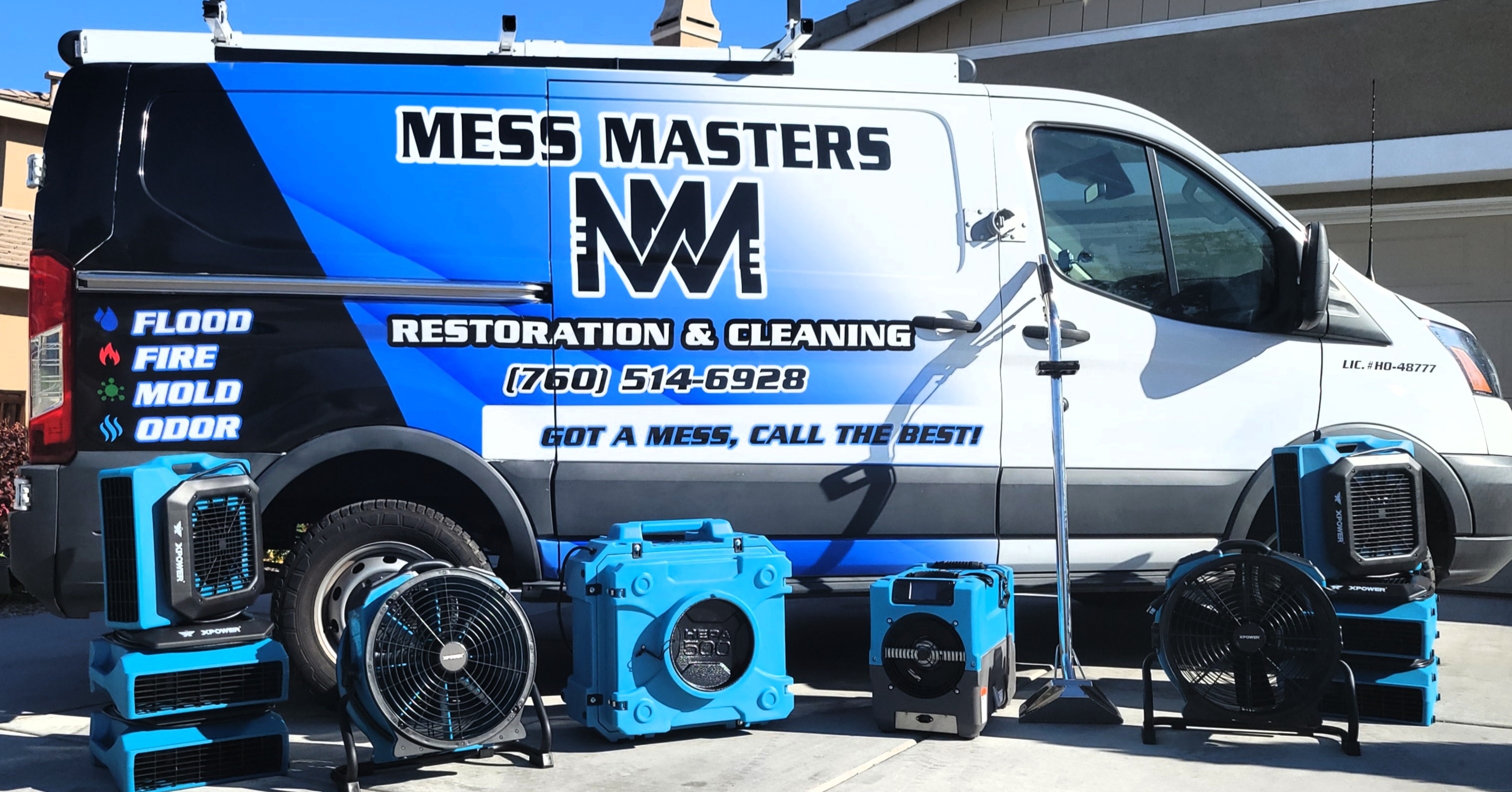
- Setting up air movers and dehumidifiers
- Monitoring moisture levels to ensure complete drying
- Preventing mold growth before it starts
Important: Water damage from firefighting can be just as destructive as the fire itself if not addressed quickly.
Step 4: Smoke and Soot Removal
Smoke and soot spread far beyond the areas directly touched by flames. Professional cleaning includes:
- Removing loose soot from all surfaces
- Cleaning walls, ceilings, and floors with specialized solutions
- Addressing smoke damage in HVAC systems and ductwork
- Cleaning or disposing of affected textiles and upholstery
Why professional cleaning matters: Improper soot removal can spread contamination and cause permanent staining.
Step 5: Odor Elimination
Smoke odor penetrates porous materials like fabric, carpet, drywall, and wood. Simply masking the smell doesn't work. Professionals use advanced techniques including:
- Thermal fogging – Neutralizes odors by replicating how smoke travels
- Ozone treatment – Breaks down odor-causing molecules
- Hydroxyl generators – Safe, chemical-free air purification
- Air scrubbers with HEPA filtration – Removes airborne particles and contaminants
Complete odor removal often requires multiple treatments depending on the severity of the fire.
Step 6: Content Evaluation and Cleaning
Not everything damaged by fire needs to be thrown away. Restoration experts will:
- Inventory and assess all personal belongings
- Identify items that can be cleaned and restored
- Coordinate specialized cleaning for electronics, documents, and clothing
- Properly dispose of unsalvageable items
Pro tip: Don't throw anything away before the restoration team and your insurance adjuster have documented the damage.
What to Avoid Doing After a Fire
In the chaos following a fire, homeowners sometimes make mistakes that worsen the damage or complicate insurance claims.
Avoid these common mistakes:
- Entering the property before it's declared safe
- Attempting DIY soot or smoke cleanup
- Turning on HVAC systems (this spreads soot throughout the home)
- Throwing away damaged items before documentation
- Using electrical appliances that may have been affected
Let the professionals handle cleanup to protect your health and your property.
How Long Does Fire Damage Restoration Take?
The timeline depends on the extent of the damage:
- Minor (one room, minimal smoke) 1–2 weeks
- Moderate (multiple rooms, smoke and water damage) 2–4 weeks
- Severe (structural damage, extensive contamination) Several months
Your restoration company will provide a detailed timeline after the initial assessment.
Your Next Steps After a Fire
The first 48 hours after a fire are critical. Quick action by professional restoration teams can prevent secondary damage, salvage more of your belongings, and speed up your return to normal life.
If you've experienced a fire, don't wait. Contact a professional fire damage restoration company immediately to begin the recovery process.
Dealing with fire damage? Contact us 24/7 for emergency fire restoration services.
.png)
.png)
Call Us 24/7 for Help
.png)