
.png)
Water Damage Hides in Plain Sight
Water damage doesn't always announce itself with a dramatic flood. In many cases, it hides behind walls, beneath floors, and above ceilings—quietly causing structural damage, mold growth, and expensive repairs. By the time you notice the obvious signs, thousands of dollars in damage may have already occurred.
Knowing how to identify hidden water damage early can save you money, protect your home's value, and keep your family safe from health hazards like mold.
The 5 Warning Signs of Hidden Water Damage
1. Unexplained Musty Odors
If you notice a persistent damp or musty smell—especially in basements, bathrooms, or near exterior walls—it's often the first indicator of hidden moisture. This odor typically signals:
- Standing water trapped behind surfaces
- Mold or mildew growth
- Moisture absorbed into drywall, insulation, or wood framing
What to do: Don't mask the smell with air fresheners. Investigate the source or call a water damage professional for a moisture inspection.
2. Discoloration or Staining on Walls and Ceilings
Yellowish-brown stains or water rings on your walls or ceilings are classic signs of a leak. These stains indicate that water has already saturated the material and may be spreading further than what's visible.
Common causes include:
- Roof leaks
- Plumbing leaks from upstairs bathrooms
- Condensation from HVAC systems
- Failed caulking around windows
What to do: Identify the source before repainting or patching. Cosmetic fixes won't solve the underlying problem.
3. Warped, Buckling, or Soft Flooring
Hardwood floors that cup or buckle, tiles that come loose, or carpet that feels damp underfoot are all signs of water damage beneath the surface.
Watch for these red flags:
- Floorboards that creak more than usual
- Soft or spongy spots when walking
- Visible warping or separation between boards
- Laminate flooring with swollen edges
What to do: Avoid walking heavily on affected areas. Contact a professional to assess subfloor damage and locate the moisture source.
4. Peeling Paint or Bubbling Wallpaper
When moisture gets trapped behind painted walls or wallpapered surfaces, it causes adhesion failure. You might notice:
- Paint cracking, flaking, or peeling
- Wallpaper bubbling or pulling away at seams
- Drywall that feels soft or crumbles when touched
What to do: This usually indicates an ongoing leak. A professional moisture inspection can determine how far the damage has spread inside your walls.
5. Sudden Increase in Water Bills
A spike in your water bill without a change in usage often points to a hidden plumbing leak. Even small leaks behind walls or under slabs can waste thousands of gallons of water—and cause extensive damage over time.
Signs of a hidden plumbing leak:
- Water bill increases with no explanation
- Sound of running water when fixtures are off
- Hot spots on floors (indicating hot water line leaks)
- Low water pressure
What to do: Shut off all water fixtures and check your meter. If it's still running, you likely have a leak that requires immediate attention.
Why Hidden Water Damage Gets Worse Over Time
Water damage is progressive. What starts as a small leak can quickly lead to:
- Structural deterioration – Wood framing, subfloors, and drywall weaken when exposed to moisture
- Mold growth – Mold can begin developing within 24–48 hours in damp conditions
- Pest infestations – Termites, carpenter ants, and other pests are attracted to moisture-damaged wood
- Decreased property value – Untreated water damage shows up on home inspections and can derail a sale
The longer water damage goes undetected, the more expensive the repairs become.
When to Call a Water Damage Professional
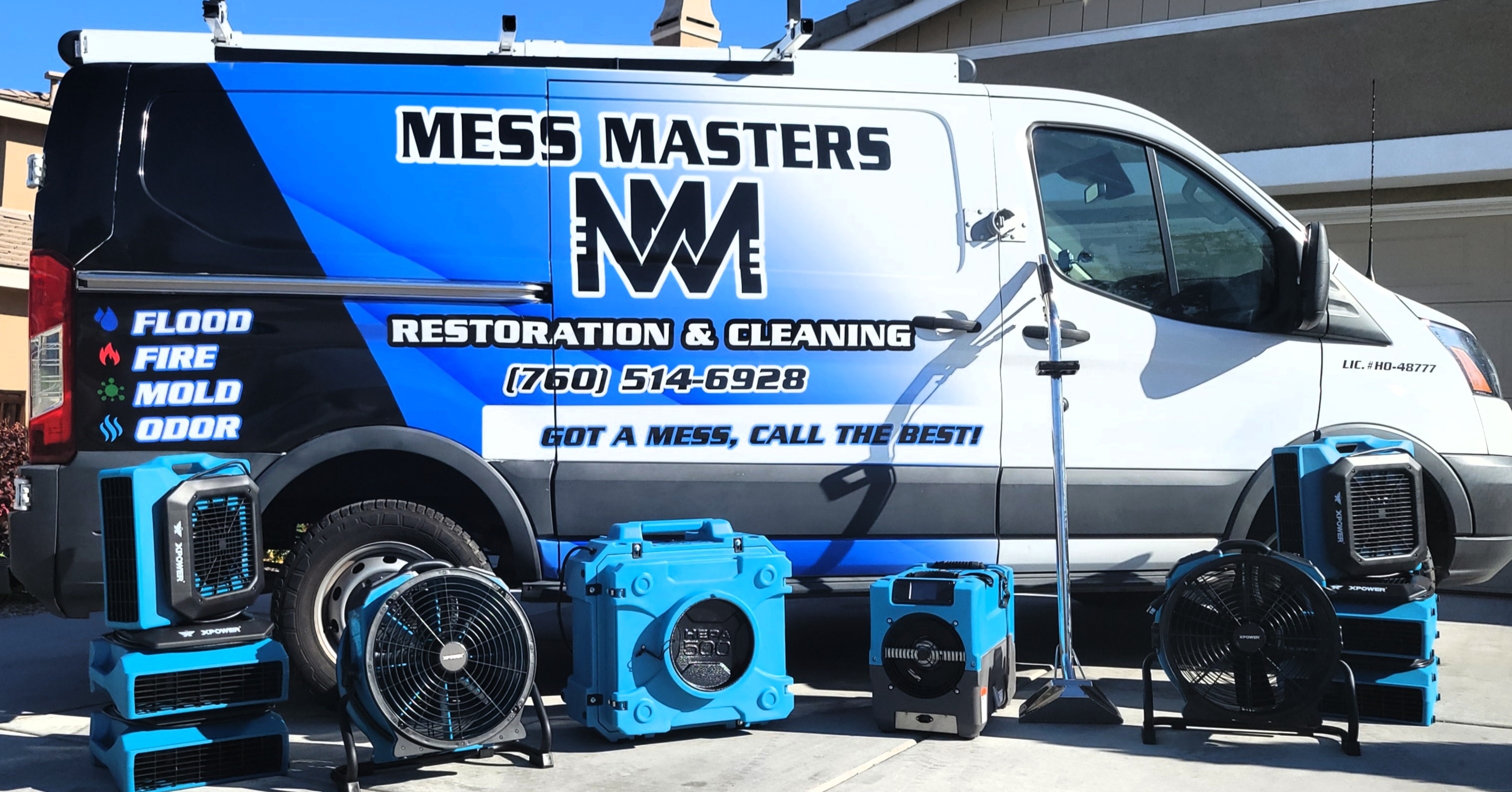
If you've noticed any of the warning signs above, it's time to call in experts. Professional water damage restoration companies use specialized equipment to:
- Detect moisture hidden behind walls and under floors
- Identify the source of the water intrusion
- Extract water and thoroughly dry all affected materials
- Prevent mold growth and secondary damage
- Restore your home to pre-damage condition
Don't wait until a small problem becomes a major disaster. Early intervention is the key to minimizing damage and repair costs.
Protect Your Home Before It's Too Late
Hidden water damage is one of the most common—and most costly—problems homeowners face. By learning to recognize the warning signs early, you can protect your property and avoid expensive repairs down the road.
If you suspect water damage in your home, contact a professional restoration team for a thorough inspection. The sooner you act, the more you'll save.
Need help identifying water damage in your home? Contact us today for a professional moisture inspection.
.png)
.png)
Call Us 24/7 for Help
.png)