
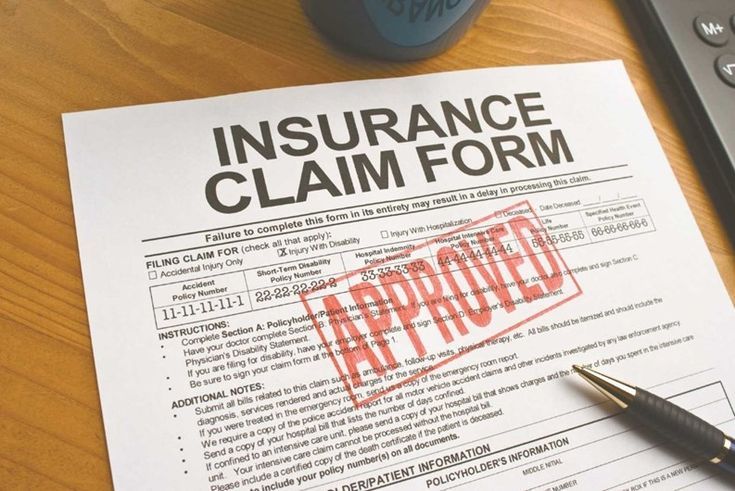
Insurance Claims Don't Have to Be Overwhelming
Dealing with property damage is stressful enough without the added confusion of insurance claims. Whether you're facing water damage from a burst pipe, fire and smoke damage, or a mold problem, knowing how to navigate the claims process can mean the difference between full coverage and out-of-pocket expenses.
This guide walks you through everything you need to know about filing and maximizing your insurance claim after property damage.
Understanding Your Homeowner's Insurance Policy
Before disaster strikes, it's important to understand what your policy covers—and what it doesn't.
What's Typically Covered
Water Damage:
- Sudden and accidental water discharge (burst pipes, appliance failures)
- Water damage from firefighting efforts
- Storm-related water damage (wind-driven rain)
Fire Damage:
- Structural damage from fire
- Smoke and soot damage
- Damage to personal belongings
- Additional living expenses if you can't stay in your home
Mold Damage:
- Mold resulting from a covered water loss (varies by policy)
- Some policies include limited mold coverage
What's Often NOT Covered
- Flood damage – Requires separate flood insurance
- Gradual water damage – Slow leaks that develop over time
- Neglected maintenance – Damage resulting from failure to maintain the property
- Mold from humidity or condensation – Often excluded
- Sewer backups – May require additional rider
Action step: Review your policy now so you know your coverage before you need it.
Step-by-Step Guide to Filing a Claim
Step 1: Ensure Safety and Prevent Further Damage
Your first priority is safety. Then, take reasonable steps to prevent additional damage:
- Turn off water supply if there's a plumbing leak
- Cover broken windows or roof damage with tarps
- Turn off electricity if water is near electrical systems
- Don't enter fire-damaged structures until cleared by authorities
Important: Insurance policies require you to mitigate further damage. Keep receipts for any emergency supplies or services.
Step 2: Document Everything Thoroughly
Documentation is critical for a successful claim. Before cleaning up:
Take photos and videos of:
- All damaged areas from multiple angles
- Damaged personal belongings
- The source of the damage (if visible)
- Water lines or smoke patterns
- Serial numbers and model numbers of damaged appliances
Create a written inventory including:
- Description of each damaged item
- Approximate age and purchase price
- Current replacement cost
- Receipts or proof of purchase (if available)
Step 3: Contact Your Insurance Company Promptly
Report the damage to your insurance company as soon as possible. Most policies require prompt notification.
When you call, be prepared to provide:
- Your policy number
- Date and time damage occurred
- Brief description of what happened
- Extent of damage (preliminary assessment)
- Contact information for follow-up
Request the following information:
- Your claim number
- Name and contact for your assigned adjuster
- Timeline for inspection
- Clarification on coverage and deductibles
Step 4: Work with the Insurance Adjuster
An insurance adjuster will inspect your property to assess the damage. To prepare:
- Be present during the inspection if possible
- Share your documentation (photos, videos, inventory)
- Point out all damaged areas, including hidden damage
- Ask questions about anything unclear
- Request a copy of the adjuster's report
Tip: You have the right to get your own estimates. If the adjuster's assessment seems low, you can hire a public adjuster or independent contractor for a second opinion.
Step 5: Get Professional Restoration Estimates
Contact a professional restoration company for a detailed estimate. A thorough estimate should include:
- Assessment of all damage (visible and hidden)
- Itemized costs for mitigation and restoration
- Timeline for completion
- Scope of work in writing
Why this matters: Professional estimates often identify damage the insurance adjuster missed, which can increase your claim payout.
Step 6: Review the Settlement Offer Carefully
When your insurance company sends a settlement offer, don't accept it immediately. Review it carefully to ensure:
- All damaged areas are accounted for
- Costs are based on actual repair/replacement prices
- Nothing was overlooked or undervalued
- Depreciation (if applicable) is calculated correctly
If the offer seems low:
- Request an itemized explanation
- Provide additional documentation or estimates
- Negotiate specific line items
- Consider hiring a public adjuster if the gap is significant
Tips for Maximizing Your Claim
Keep Detailed Records of Everything
- Save all receipts related to the damage
- Document all communication with your insurance company
- Keep a log of phone calls (date, time, who you spoke with, what was discussed)
- Save copies of all submitted documents
Don't Dispose of Damaged Items Too Quickly
Insurance adjusters may need to inspect damaged items. Before throwing anything away:
- Wait until the adjuster has seen everything
- Take detailed photos of items you must dispose of immediately
- Keep samples of damaged materials when possible
Understand Actual Cash Value vs. Replacement Cost
- Actual Cash Value (ACV): Reimburses the depreciated value of items
- Replacement Cost Value (RCV): Covers the full cost to replace items
If you have RCV coverage, you may receive an initial payment (ACV) and a supplemental payment once repairs are completed and receipts are submitted.
Consider Hiring a Public Adjuster
For large or complex claims, a public adjuster works on your behalf (not the insurance company's) to:
- Document damage thoroughly
- Negotiate with the insurance company
- Maximize your settlement
Public adjusters typically charge 5–15% of the settlement amount but often recover significantly more than homeowners negotiating alone.
Common Claim Mistakes to Avoid
- Waiting too long to file – Report damage promptly
- Incomplete documentation – Photograph everything before cleanup
- Accepting the first offer – Review and negotiate if needed
- Disposing of evidence – Keep damaged items until approved
- Not reading your policy – Understand your coverage and exclusions
- Doing permanent repairs before approval – Only perform emergency mitigation until the claim is approved
How a Restoration Company Can Help with Your Claim
Professional restoration companies work with insurance claims regularly and can support your process by:
- Providing detailed damage assessments and estimates
- Documenting hidden damage with professional equipment
- Communicating directly with adjusters
- Ensuring repairs meet industry standards
- Completing work efficiently to minimize additional living expenses
Many restoration companies bill insurance directly, reducing your out-of-pocket burden during a difficult time.
Take Control of Your Claim
Filing an insurance claim after water, fire, or mold damage doesn't have to be overwhelming. By documenting thoroughly, understanding your coverage, and working with professionals, you can maximize your claim and get your home restored properly.
Don't navigate the process alone. A professional restoration company can help you document damage, work with adjusters, and get your home back to normal.
Need help with damage restoration and insurance claims? Contact us today—we work directly with insurance companies to make the process easier for you.
.png)
.png)
.png)
Call Us 24/7 for Help
.png)