
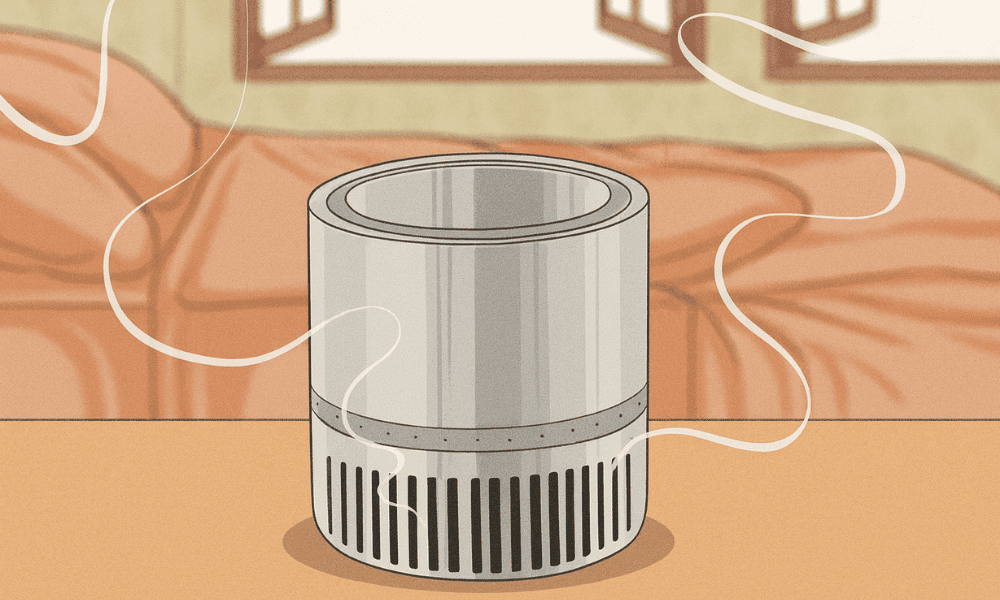
When Air Fresheners Just Aren't Cutting It
You've scrubbed the walls, washed all the fabrics, and burned through a dozen candles—but that stubborn smoke smell just won't go away. Whether it's from a house fire, cigarettes, or cooking mishaps, smoke odor is one of the most persistent problems homeowners face.
Here's the truth: smoke smell isn't just on the surface. It penetrates deep into your home's materials, and no amount of air freshener will fix the problem.
Why Smoke Smell Is So Hard to Remove
Smoke Particles Are Microscopic
Smoke consists of tiny particles and volatile organic compounds (VOCs) that are invisible to the naked eye. These particles:
- Penetrate porous materials like fabric, carpet, and upholstery
- Absorb into drywall, wood, and insulation
- Settle into cracks, crevices, and textured surfaces
- Circulate through HVAC systems and ductwork
Even after surfaces appear clean, smoke residue remains embedded in your home's materials—continuously releasing odor.
Soot Makes It Worse
Where there's smoke, there's soot. Soot is a sticky, acidic residue that clings to surfaces and traps odor molecules. If soot isn't properly removed before deodorizing, treatments won't reach the odor source.
Common places soot hides:
- Inside light fixtures and electrical outlets
- Behind furniture and appliances
- Inside cabinets and closets
- On ceiling surfaces and crown molding
- In HVAC ducts and vents
Why DIY Smoke Odor Removal Fails
Air Fresheners Only Mask the Problem
Air fresheners, candles, and sprays add fragrance to the air but don't eliminate odor molecules. Once the fragrance fades, the smoke smell returns—often stronger because it's been trapped under layers of other scents.
Household Cleaners Can't Penetrate Deep Enough
Standard cleaning products work on surface-level contamination. They can't reach smoke particles that have:
- Soaked into carpet padding
- Absorbed into wall cavities
- Embedded in ceiling textures
- Penetrated upholstered furniture cushions
You might clean the surface, but the odor source remains untouched.
Vinegar and Baking Soda Have Limits
These popular DIY remedies can help with mild odors but aren't effective against heavy smoke contamination. They simply don't have the chemical properties needed to neutralize smoke particles embedded in porous materials.
Repainting Doesn't Solve the Problem
Many homeowners try to seal in smoke odor with a fresh coat of paint. The problem? Without proper cleaning and priming with odor-blocking products, smoke smell eventually bleeds through the new paint—leaving you right back where you started.
How Professionals Actually Eliminate Smoke Odor
Professional odor removal goes beyond surface cleaning. It's a multi-step process designed to neutralize smoke particles at the source.
Step 1: Thorough Soot and Residue Removal
Before any deodorizing can happen, all soot and smoke residue must be removed from surfaces. This includes:
- Dry sponge cleaning for walls and ceilings
- HEPA vacuuming of carpets, upholstery, and hard-to-reach areas
- Detailed cleaning of fixtures, vents, and hidden surfaces
- Cleaning or replacing HVAC filters and ductwork
Step 2: Deep Cleaning of All Materials
Professionals use specialized cleaning solutions formulated for smoke damage:
- Walls and ceilings are washed with degreasing agents
- Carpets and upholstery undergo hot water extraction
- Hard surfaces are cleaned with appropriate chemicals for each material type
- Contents are inventoried and cleaned or disposed of as needed
Step 3: Professional Deodorization Techniques
Once surfaces are clean, advanced odor elimination methods target remaining smoke particles:
Thermal Fogging
- Produces a heated fog that mimics how smoke travels
- Penetrates the same areas smoke reached
- Neutralizes odor molecules on contact
Ozone Treatment
- Generates ozone gas that breaks down odor-causing compounds
- Reaches areas impossible to clean manually
- Requires temporary vacancy (ozone is harmful to breathe)
Hydroxyl Generators
- Creates hydroxyl radicals that destroy odor molecules
- Safe for occupied spaces
- Effective for ongoing treatment during restoration
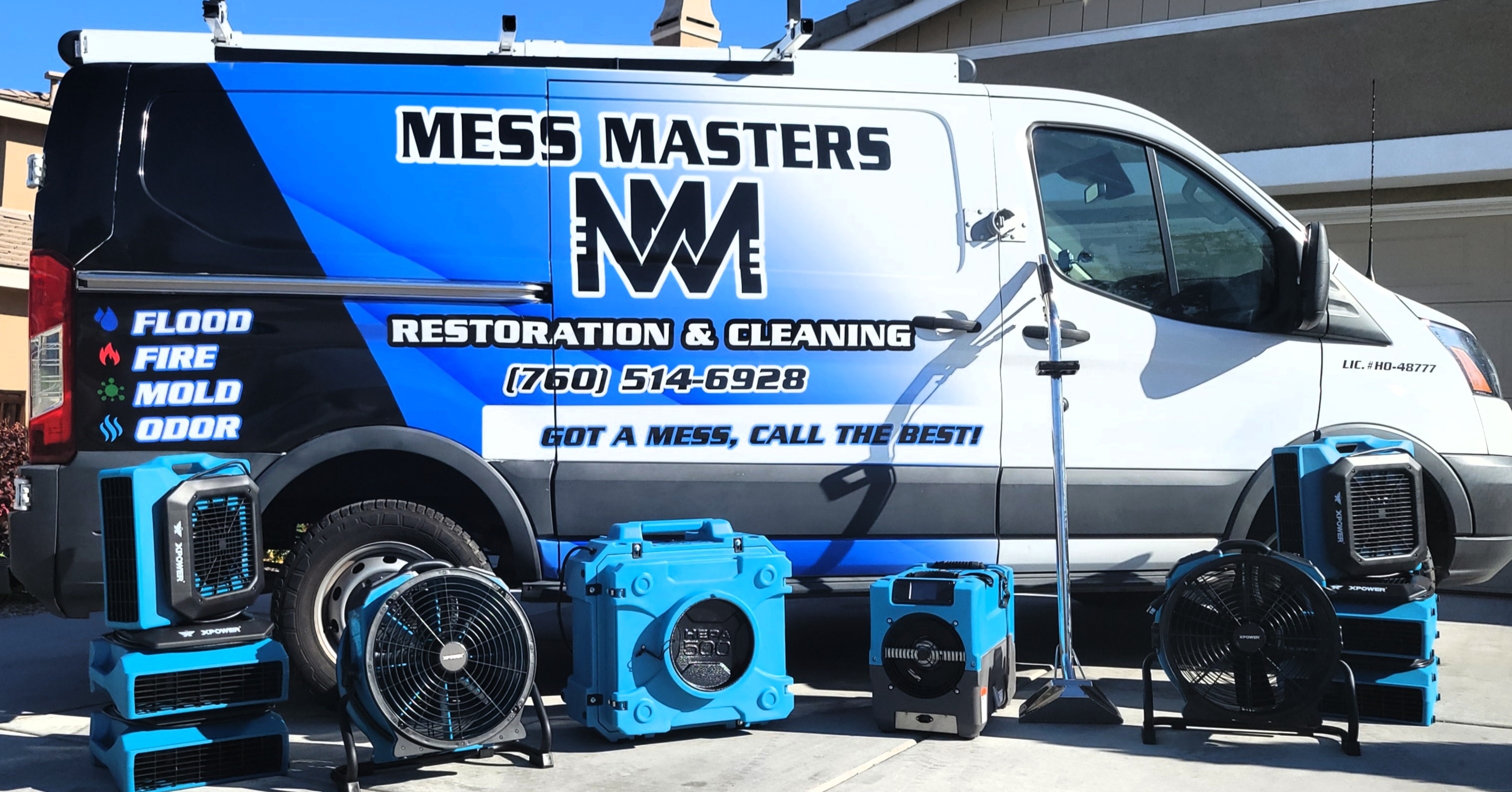
HEPA Air Scrubbers
- Filter airborne particles including smoke residue
- Improve air quality during and after restoration
- Capture ultrafine particles other filters miss
Step 4: Sealing and Restoration
In severe cases, some materials may need to be sealed or replaced:
- Shellac-based sealers block residual odors before repainting
- Heavily contaminated drywall, insulation, or carpet may require removal
- HVAC systems may need professional duct cleaning
Signs You Need Professional Smoke Odor Removal
Consider calling a professional if:
- Smoke smell persists after multiple cleaning attempts
- The odor returns after appearing to be gone
- You're experiencing headaches or respiratory irritation
- The smell came from a fire (even a small one)
- Smoke contamination spread through your HVAC system
- You're preparing to sell your home and need odor eliminated
The Health Impact of Lingering Smoke
Smoke odor isn't just unpleasant—it can affect your health. Residual smoke particles contribute to:
- Respiratory irritation and coughing
- Aggravated asthma and allergies
- Headaches and fatigue
- Eye and throat irritation
- Long-term health risks from particulate exposure
Proper odor removal isn't just about comfort; it's about creating a healthy living environment.
Get Rid of Smoke Smell for Good
If you've tried everything and still can't get rid of smoke smell, you're not alone. Smoke odor is incredibly persistent because it penetrates deep into your home's materials. DIY methods simply can't reach the source of the problem.
Professional smoke and odor removal eliminates contamination at every level—leaving your home smelling fresh and protecting your indoor air quality.
Still battling smoke odor? Contact us for professional odor removal that actually works.
.png)
.png)
.png)
Call Us 24/7 for Help
.png)