
How to Spot Hidden Water Damage Before It Becomes a Major Problem
Water damage rarely announces itself. It seeps behind walls, pools under floors, and settles into spaces you can't see—quietly causing problems that only get worse with time. The good news? If you know what to look for, you can catch it early and save yourself thousands in repairs.
The Warning Signs Hiding in Plain Sight
Your home actually gives you clues when something's wrong. That faint musty smell in the hallway? The ceiling stain you keep meaning to paint over? These aren't minor annoyances—they're your house telling you there's moisture where it shouldn't be.
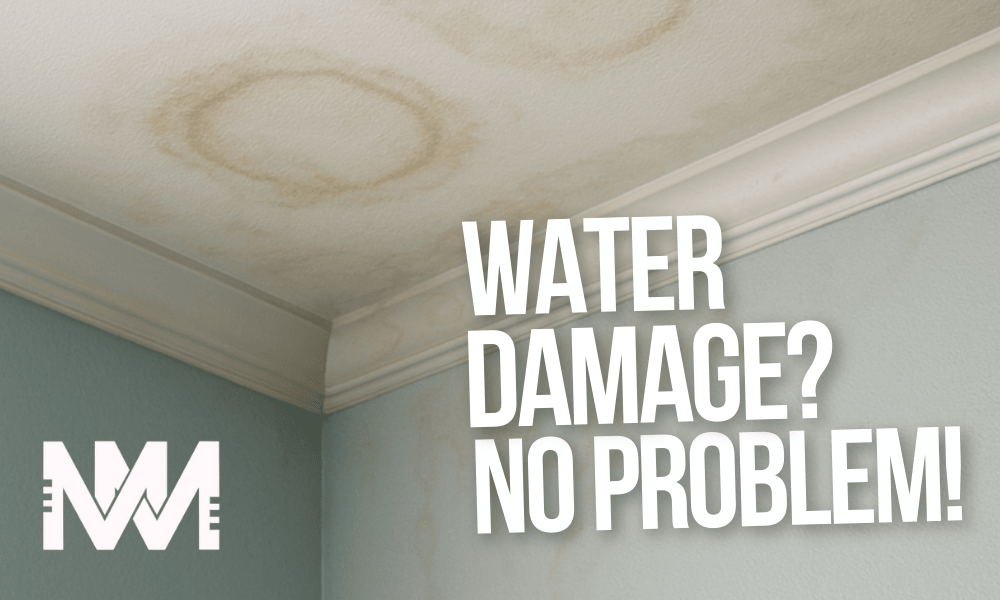
Visual clues often appear first. Water stains on ceilings or walls show up as dark spots or yellowish rings, and they almost always mean an active leak somewhere above. Paint that's bubbling or wallpaper that's peeling away from the wall indicates moisture trapped underneath. If your wood or laminate floors have started to warp, buckle, or feel spongy underfoot, water has found its way beneath the surface.
Smell is another reliable indicator. That persistent damp, earthy odor—especially in basements, bathrooms, or near exterior walls—usually points to mold or mildew already growing out of sight. By the time you smell it, spores have likely spread beyond the original source.
Your utility bills can also reveal hidden leaks. A sudden spike in water costs without any change in usage often means water is escaping somewhere in your plumbing system—sometimes behind walls or under the foundation where you'd never notice it otherwise.
Why This Matters More Than You Think
Hidden water damage isn't just a property issue—it's a health concern. Mold can develop within 24 to 48 hours of moisture exposure, and once established, it releases spores that trigger allergies, aggravate asthma, and cause respiratory problems. Children, seniors, and anyone with existing health conditions are especially vulnerable.
The structural impact compounds over time as well. Water weakens wood framing, degrades drywall, ruins insulation, and can even compromise electrical systems. What starts as a small leak behind a bathroom wall can eventually affect your home's structural integrity if left unaddressed.
And then there's the financial reality: the longer water damage goes undetected, the more extensive—and expensive—the repairs become.
What to Do the Moment You Suspect a Problem
If you notice any warning signs, act quickly. Start by shutting off your main water supply to prevent additional damage. Document everything with photos—capture any stains, warping, mold growth, or visible damage. This documentation becomes essential for insurance claims.
Then call a professional. At Mess Masters Restoration & Cleaning Services, we respond 24/7 because we know water damage doesn't wait for business hours. Reach us at (760) 514-6928.
How Professional Restoration Actually Works
When our team arrives, we don't just look at the obvious damage—we find everything. Using moisture meters and thermal imaging cameras, we detect water hidden behind walls, under floors, and in areas you can't access or see.
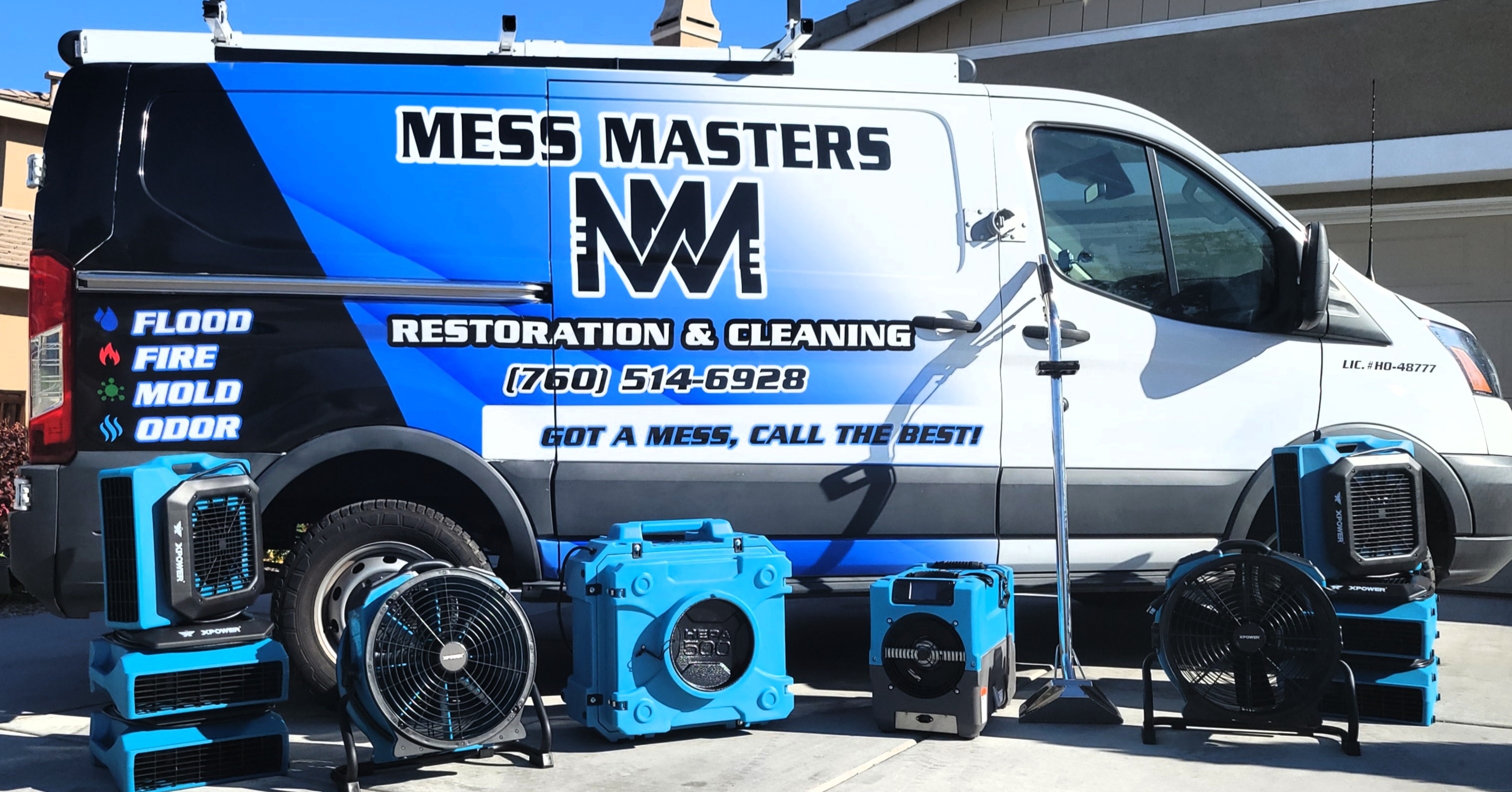
From there, the process moves quickly. Industrial extraction equipment removes standing water, typically within the first day. Professional-grade air movers and dehumidifiers then work continuously over the following days to eliminate all moisture from the structure—not just the surface-level dampness that home equipment might address.
Once everything is thoroughly dry, we clean and sanitize affected areas following IICRC standards, eliminating mold spores and preventing future growth. Finally, we handle full restoration: replacing damaged drywall, flooring, paint, and any other materials affected by the water.
Typical timeline from start to finish:Assessment takes one to two hours. Water extraction runs one to three days depending on severity. Drying and dehumidification requires three to seven days. Cleaning and sanitizing adds another day or two. Final restoration and repairs typically complete within one to two weeks, depending on the extent of damage.
Why Professional Help Matters
It's tempting to handle water damage yourself, but here's the challenge: mold begins growing in as little as 24 hours, and household fans and dehumidifiers rarely dry structures completely. Moisture trapped in wall cavities, subfloors, or insulation continues causing damage long after surfaces appear dry.
There's also the insurance factor. Many policies require professional remediation for coverage—DIY efforts can actually jeopardize your claim.
Protecting Your Home Going Forward
Prevention is always easier than restoration. Regular inspections of basements, attics, and bathrooms help you catch problems early. Keep gutters and downspouts clear so water drains away from your foundation. In humid areas—common throughout the High Desert during monsoon season—dehumidifiers make a real difference.
Fix small leaks immediately. That dripping faucet or slow toilet leak might seem minor, but over time, even small amounts of moisture create conditions for mold and structural damage. If you're in an older home, consider waterproofing your basement or crawl space, and insulate exposed pipes in unheated areas to prevent freezing and bursting during cold snaps.
When You're Ready for Peace of Mind
Hidden water damage is stressful precisely because it's hidden—you know something's wrong, but you can't see the full picture. That uncertainty makes everything harder.
Our IICRC-certified team at Mess Masters Restoration & Cleaning Services is here to give you clarity. We'll assess the situation thoroughly, explain exactly what we find, and restore your home to the condition it was in before the damage occurred.
If you suspect water damage—or just want the peace of mind that comes from knowing for sure—call us at (760) 514-6928. We're available around the clock, and we're ready to help.
.png)
.png)
.png)
Call Us 24/7 for Help
.png)